iTranslated by AI
The content below is an AI-generated translation. This is an experimental feature, and may contain errors. View original article
📝
Why I Don’t Use State Management Libraries for Scratch-like Programming Editors




Notes
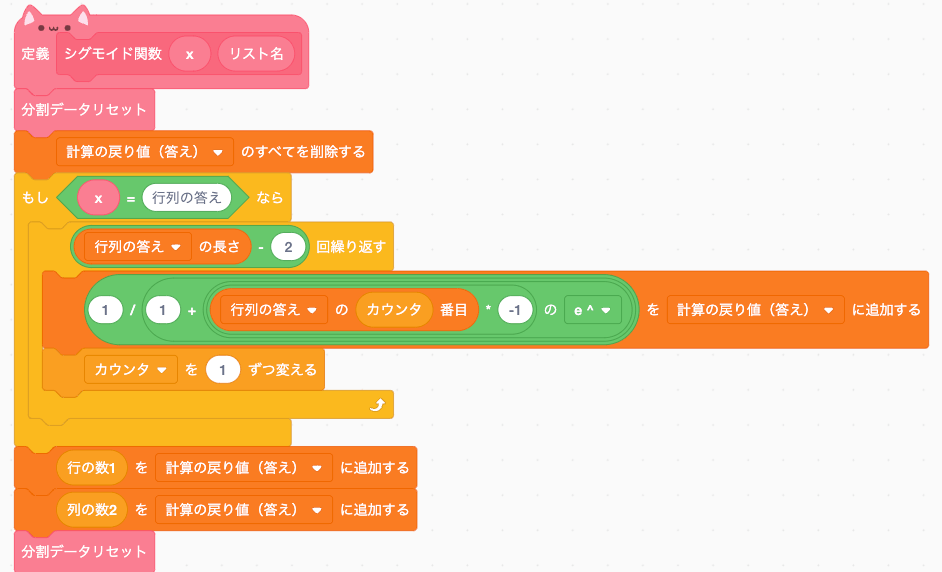
- The environment assumes a complex GUI programming editor, such as Scratch or no-code tools running in a web browser.
- Other WYSIWYG editors and GUIs are outside my scope.
- Everything is subjective, and which to use depends on the situation.
- There are cases where using a state management library is easier.
- I've summarized why the "current me" does not use them.
Conclusion
- Don't want to depend on state management libraries
- Want to reuse the core system & focus on the core
- Performance (Speculation)
Don't want to depend on state management libraries
- While there are libraries like Redux and Recoil, the frontend ecosystem evolves rapidly, and I don't want to get caught up in that.
- When implementing in Unity, Python, or other languages:
- It's problematic when there is no state management library.
- It can be easier to implement without using one.
- Knowledge and skills cultivated in game development can be applied directly to the editor.
- There's no need to worry about the learning cost of state management libraries.
Want to reuse the core system & focus on the core
- Without using a state management library, you can focus on core systems and algorithms that are applicable to any language or environment.
Performance (Speculation)
- No evidence.
- In an editor that is constantly active, does "state" have much meaning?
Summary
- Depends on preference and requirements.
- Personally, a big reason is that game technology and state management systems don't quite align.
Discussion